If anyone knows about the inside of a suitcase it’s your loyal feline companion. Just ask any cat for packing advice and you will get an earful of opinions on what to include and what to leave behind. Personally speaking, this cat has spent enough time overseeing my human companion’s packing process that I have become an expert myself. And, there is no other topic that I enjoy exploring more than packing for national park adventures. Today we are going to cover what to pack for Zion National Park. This majestic destination has so much to offer! Paying close attention to your packing list is vital to experiencing this park to the fullest. So, without further adieu, we present all you need to know about packing for Zion.
Packing For Each Season
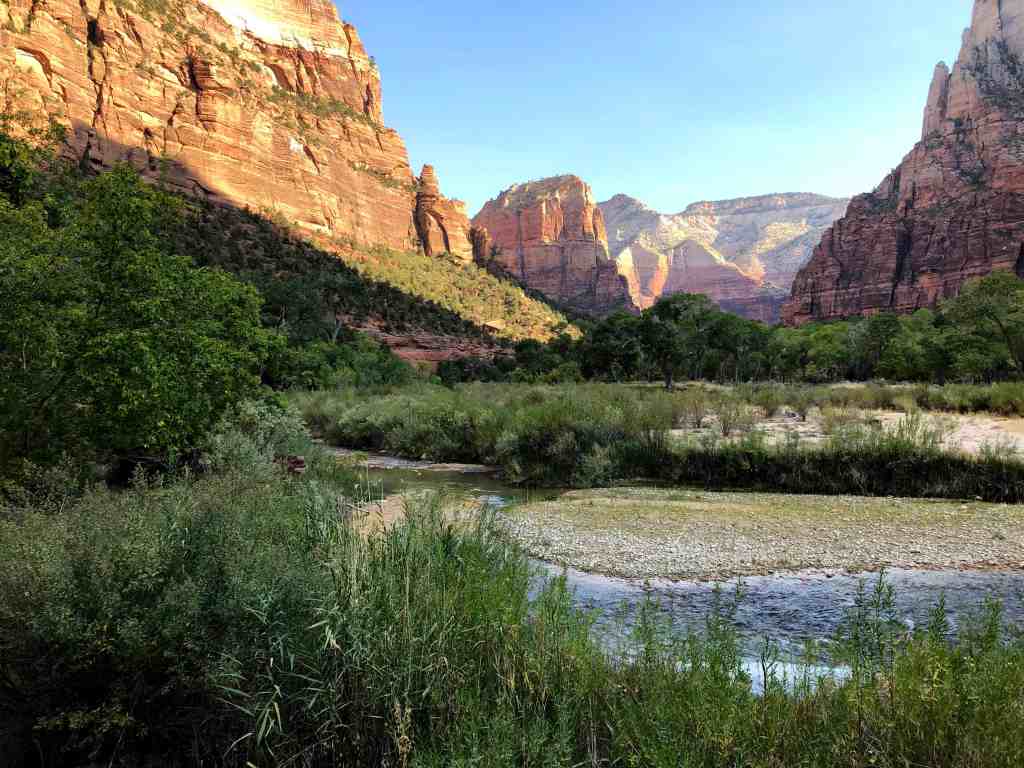
Considering the season is important when crafting your packing list for any of the national parks, however, the wide range of temperatures at Zion National Park makes planning for the season even more important. From the scorching summer heat to ice in the winter, considering seasonal nuances ensures a comfortable experience. Here’s an overview of what to expect for each season in Zion National Park.
Spring
Spring in Zion National Park is generally considered to run from March through April. During this time you can expect rapidly rising temperatures starting from the mid-thirties at nighttime in early spring to the mid-seventies during the day in April. Generally, temperatures can range 25-30 degrees each day. Many consider this the best time of year to visit due to mild temperatures, vibrant flora, and fewer crowds.
Some major considerations for packing for a springtime trip to Zion are layers, mud boots, and a warm jacket for higher elevation areas.
Summer
If you are visiting Zion from May through September then get ready to experience some hot and arid conditions. You can expect a high close to 100 degrees for most of the summer months, with the coolest times in early May and late September. With that said, the arid landscape results in a wide range of temperatures, dropping dramatically at night.
Considerations for traveling to Zion in the summer include a good hydration system, light layers for the evenings, and ample sun protection.
Fall
Fall in Zion is also a popular season due to milder daytime temperatures and colorful foliage. If you are visiting the park from October to November you can expect a rapidly declining high from 80 degrees down to the mid-fifties and lows falling to 30 in late fall. Featuring fewer visitors, but increasing unpredictability in weather, visiting in the fall is a great option for many travelers.
Special considerations for packing for a fall trip include a versatile layering system, winter boots, and warm gear for your head and hands.
Winter
Running from December through February, the winter months in Zion feature heavier precipitation and freezing temperatures in the evenings. With that said, ZIon is mostly a desert climate and even an increase in precipitation leaves the park at least partly sunny and dry most of the time. Highs during this time of year range from 50 to 60 degrees, making Zion a great getaway from colder parts of the world.
Special considerations when packing for a winter trip to Zion include snow gear and warm layers.
Popular Activities
Zion National Park offers a diverse range of activities, catering to adrenalin junkies and low-key adventure seekers alike. Whether you are looking to maximize physical challenge, take in the park’s natural beauty, or engage in a unique adventure, your packing list can make or break your experience. Here are a few popular activities to keep in mind, along with special packing considerations.

Long hikes, like Angel’s Landing, are a popular activity at Zion. If you are planning on taking a strenuous hike, make sure you have quality, tested hiking boats, a hydration pack, and extra water. Hiking poles are nice to have, as well as, a good-fitting day pack.
Hiking The Narrows is a special experience that many seek at Zion National Park. A 10-mile trail running through the park’s narrowest canyon, this hike requires significant wading through the Virgin River. During the warmer months, you can normally get away with good boots, neoprene socks, hiking poles, a dry bag, and quick dry/layered clothing. While many sites suggest water shoes for this hike, we’ve found that good, water-resistant boots paired with neoprene socks will keep your feet comfortable and lower the risk of blisters. In the cooler months, you may want to consider a waterproof bib or full dry suit. Canyoneering shoes and other specialized gear are widely available for rent at outfitters near each park entrance.
Overnight backpacking is a rewarding experience in this dramatically beautiful park. Due to the desert landscape backpackers should give extra consideration to packing enough water. Safety gear for extreme changes in temperature and flash floods are also vital items for backpacking in Zion. These considerations are in addition to the standard needs for overnight backpacking.
If you are looking to wake up outside, but carrying all your stuff on your back sounds too exhausting for you, Zion has plenty of spaces for camping next to your car or in an RV. If you would like to experience camping in the park, you’ll need advanced reservations for one of three campgrounds. Additionally, consider bringing warm bedding and extra sun protection as many campsites get little to no shade. Zion generally allows campfires, so make sure to bring fuel and ingredients for s’mores!
Rock climbing in Zion is a truly remarkable experience. The steep, smooth sandstone rocks are beautiful to look at and provide difficult challenges to the most experienced climbers. Aside from coming equipped with specialized knowledge on climbing the soft, flat cliffs of Zion, climbers should also think about sun protection and safety precautions for overheating. Even during the shoulder seasons the sun can be outright punishing on Zion’s exposed cliffs.
Star gazing is a popular activity year-round at the park. Just a little bit of preparation can result in a memorable experience. If star gazing is on your agenda, make sure to bring extra layers to stay comfy under the brilliant night sky. Looking into local telescope rentals is also a great idea to enhance your star-gazing experience while also keeping costs low.
Biking is a great way to see the park while taking a break from hiking. Bikes can be rented at most outfitters near the park. Make sure to bring form-fitting clothing and a small day pack to get the most out of your cycling experience.
Wildlife viewing is an essential activity in nearly every national park. If this excursion makes your to-do list, we recommend looking into renting specialty camera gear, bringing a pair of binoculars, and possibly investing in a field guidebook to identify the local flora and fauna.
Finally, when planning your trip to Zion, consider adding horseback riding as an activity. Seeing this western wonderland on horseback is an extra special treat, given the landscape has been featured in many Western movies. If you’ll be horseback riding during your stay, make sure to bring a pair of jeans (or other sturdy, long pants), closed-toe shoes, and a sun hat.
Layering Your Clothing
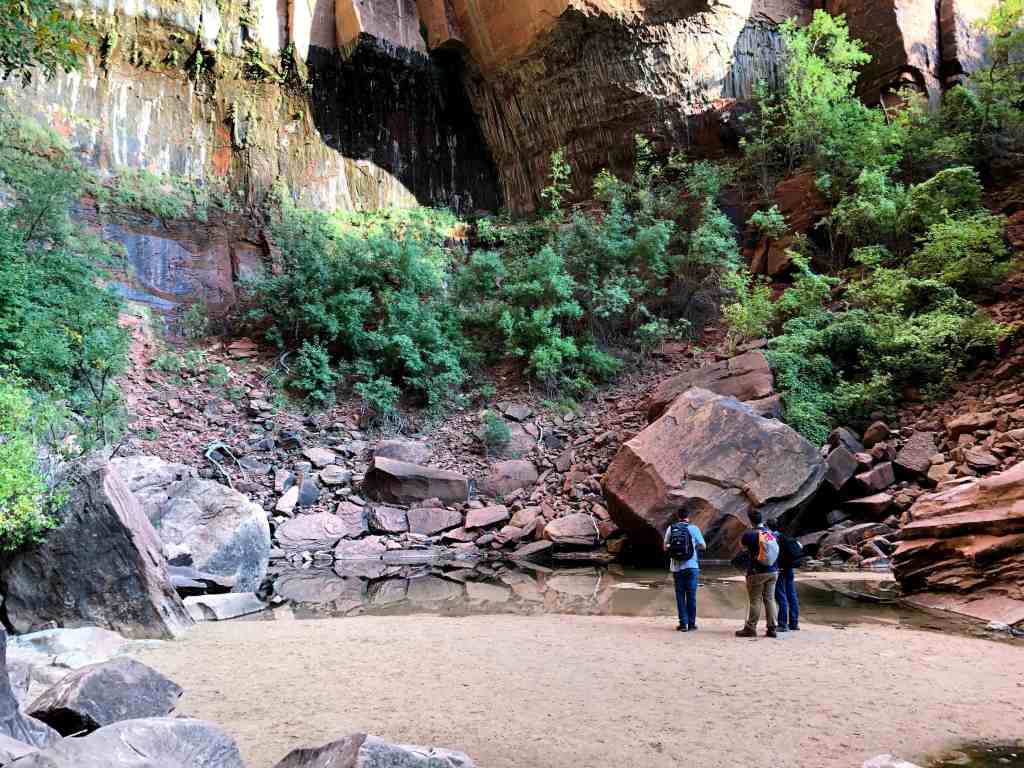
Before jumping into the ultimate packing list for Zion National Park, we need to talk about layering. Understanding the purpose of each layer can help you design a system that will work best for your specific combination of seasons and activities.
Base Layer
The base layer is the article of clothing that sits closest to your skin. Typically you should aim for a lightweight, synthetic fabric that is breathable and quick drying. For summer trips to Zion, this may mean a quick dry tank top. For winter adventures this could be merino wool thermal underwear that sits underneath multiple layers. The main consideration is ensuring this layer should stay as dry as possible.
Middle Layer
Sometimes referred to as the insulating layer, this is the layer that goes on top of your base layer. Even in the hottest months, it’s still a good idea to bring a middle layer for extra sun protection. For the top, this may be a lightweight, button-down, long-sleeve shirt. For bottoms, quick dry shorts or hiking pants are good options. During cooler months, aim for a material that will retain warmth. Fleece and down are popular options.
Outer Layer
Also known as your shell layer, the outer layer should protect you from wind, rain, and snow. This could be a light rain jacket in the summer or a heavy snow parka in the winter. During the dry summer, you can generally skip this layer during the day, but may still want a warm jacket for cooler temperatures in the evening.
The Ultimate Zion National Park Packing List
No that you know about the main considerations for designing your packing list as well as how to layer your clothing, it’s time to start your ultimate packing list for Zion National Park! This list is optimized for a 4-day trip but can be easily modified for longer or shorter stays.
Clothing
- At least 2 pairs of lightweight hiking pants
- 4 base layer shirts (one for each day) – These should be made of synthetic material and quick drying.
- 2 lightweight, long sleeve shirts. Buttondowns work great for adjusting of warmth.
- 1 pair of thermal underwear for early morning or nighttime adventures
- 1 insulating layer – Either a fleece or down jacket will work best
- 1 outer layer (either a light rain jacket or water-resistant windbreaker) – Depending on your planned level of activity, you can replace the insulating and outer layer tops with a warm jacket. The advantage of having two layers is versatility. However, if your plan is more about easy hikes and lounging at viewpoints, you can simplify with a single coat.
- Underwear for each day, plus a few spares – For maximum comfort make sure your underwear is made from a synthetic, quick-dry material.
- Socks for each day, plus a few spares – If you are planning on high-level activities, it’s best to avoid cotton socks. Materials like wool and most synthetic materials will help wick moisture away from your skin and avoid blisters.
- Hiking boots
- Sandals or other comfortable shoes to wear in the evenings
- A wide-brimmed sun hat
- Warm beanie
Personal Items
- Day Pack – if you will be hiking The Narrow you should also consider bringing a dry pack.
- Sunglasses
- Reusable water bottle
- Sunscreen
- Bug spray
- Snacks like trail mix and protein bars
- Phone charger – Consider bringing an additional portable charger alongside your normal plug-in one. Additionally, if you are hiking The Narrows you may want to bring a waterproof case for your cell phone.
- First Aid Kit
- Toiletries, including a toothbrush, toothpaste, face wash, deodorant, etc. If you are camping you will also need your own soap, shampoo, conditioner, shower shoes, and shower towel.
- Specialized Gear – Depending on your planned activities, make sure you bring any necessary gear. This includes items like rock climbing gear, a telescope for star gazing, hiking poles, binoculars, camera lenses, camping or backpacking gear, etc.
- Books or other entertainment – After a long day in the park, make sure you have a way to decompress. This could be reading a book or watching downloaded movies on a tablet or laptop.
Conclusion on What to Pack for Zion National Park
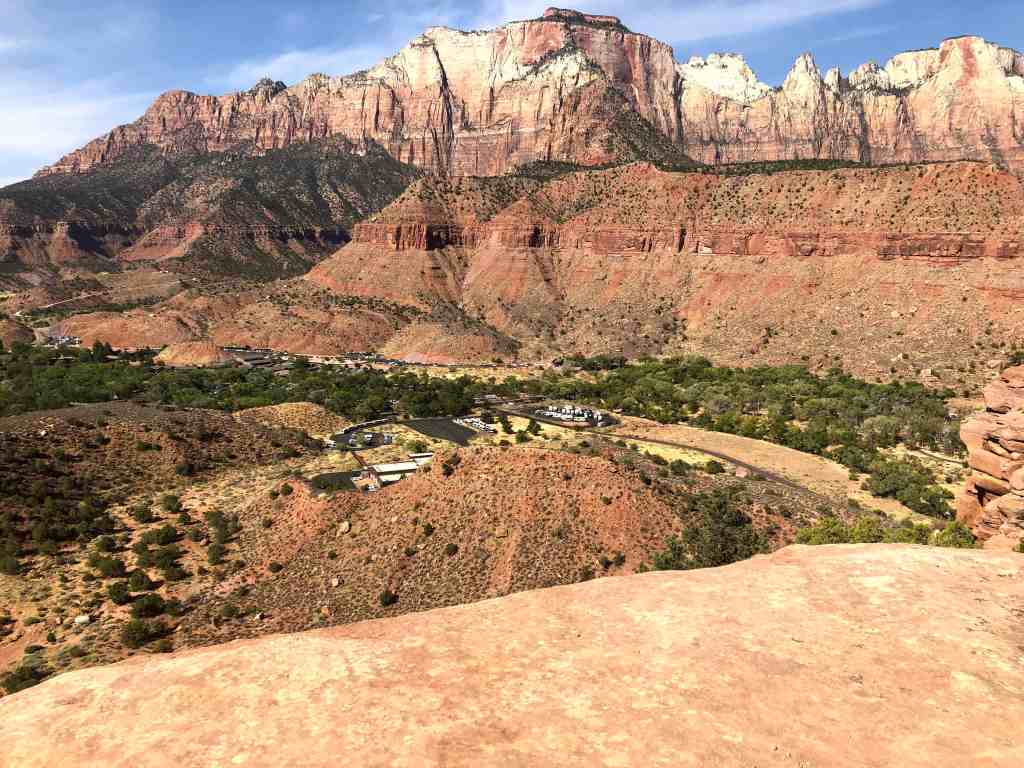
In conclusion, designing your Zion packing list requires thoughtful consideration of the season, as well as, your planned activities. From the scorching heat of summer to the chilly winter nights, understanding the climate is essential for the best experience. Additionally, you should plan ahead for specific activities like hiking, rock climbing, stargazing, and wildlife viewing to make sure you pack the necessary gear. And finally, no matter your itinerary, layering clothing is a key strategy for the comfortable enjoyment of Zion National Park.
So, whether you’re conquering The Narrows, scaling sandstone cliffs, or simply enjoying a tranquil evening under the stars, a well-prepared packing list ensures you make the most of your time in this majestic destination. Happy adventuring!
Read Next: 15 Things to Do in Zion National Park Besides Hiking

 Slow Traveling Cat
2 thoughts on “The Ultimate Guide: What to Pack for Zion National Park”