As a cat, I have a deep-seated appreciation for the stunning views and dramatic landscapes of the American Southwest. In fact, one of my favorite places to explore is the Grand Canyon and Utah’s five national parks. Join my human companion and me on an epic 10-day road trip itinerary as we meander through red rock pinnacles, brilliant sunsets, and deep canyons. It’s time to open your cat eyes and marvel at the natural beauty that surrounds us. Let’s pounce on this grand adventure together!
Why Visit the Grand Canyon and Utah National Parks
Visiting the Grand Canyon and Utah’s National Parks is a once-in-a-lifetime opportunity to witness the raw beauty of the American Southwest. The Grand Canyon, with its vast expanses and breathtaking views, is a testament to how the power of natural forces can completely transform a landscape. Utah’s National Parks, including Zion, Bryce Canyon, Capitol Reef, Arches, and Canyonlands, are filled with unique and colorful geological formations, for which the Southwest is best known.
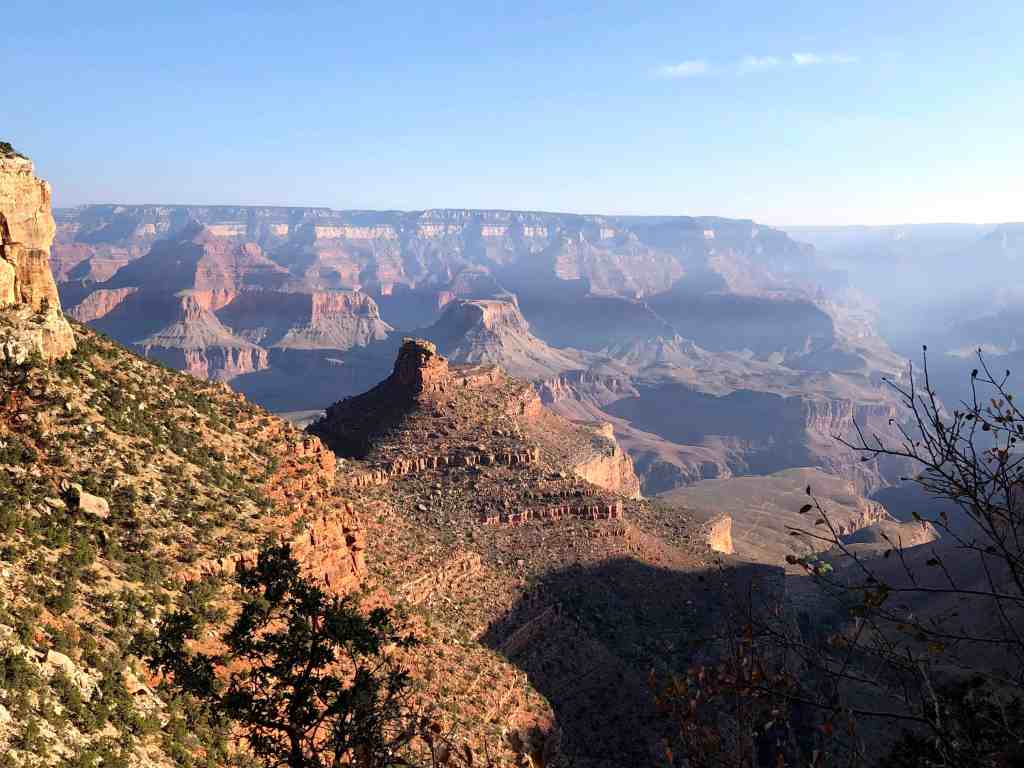
Exploring these parks allows visitors to connect with nature on a deep level. Whether hiking through narrow slot canyons, marveling at towering sandstone arches, or appreciating sweeping canyon vistas, each park offers a chance to escape the hustle and bustle of everyday life and connect with the natural world.
In addition to stunning landscapes, these parks offer a wide range of outdoor activities, from hiking and horseback riding to photography and stargazing. Whether you’re an outdoor enthusiast or simply looking to unwind and relax in nature, the Grand Canyon and Utah’s National Parks have something for everyone.
What Season to Visit
Spring or Fall is your best option for the Grand Canyon and Utah National Parks. During these times, the temperatures are milder, making hikes more manageable. Also, you’ll find fewer crowds, compared to the summer months.
Summer can be the hottest time to visit these national parks, with temperatures often exceeding 100 degrees Fahrenheit (40 degrees Celsius). If you choose to visit in the summer, it is important to hike early in the morning and carry plenty of water to stay hydrated. The crowds are at their peak during the summer, so be prepared for busy trails, limited parking, and crowded viewpoints.
Winter brings colder temperatures, with the possibility of snow in each of these national parks. Temperatures can quickly drop below freezing during the winter months, so it is essential to always dress in layers and be prepared with either snow tires or chains. While the parks may be less crowded during the winter months, you’ll also risk some areas being inaccessible due to snow and ice.
Packing for Your Road Trip
When embarking on a road trip through the Grand Canyon and Utah National Parks, it is important to pack accordingly. Aside from your standard road trip packing list, some items that are particularly valuable for this trip include:
- Bring plenty of water in case you end up stranded between parks. Some of these roads are remote and will have poor cell service.
- Offline maps – You can download maps onto your phone (Maps.me is my favorite) or buy a map book.
- Specialized camera gear – photographing landscapes and wildlife is a must-do on this road trip. You can easily rent cameras and specialty lenses on sites like Lensrentals and get award-winning photos without breaking the bank.
- Similarly, you can also rent a telescope or binoculars to explore some of the most vibrant night skies in the entire country. A surprising number of local libraries loan out telescopes for free, however, if this is not an option check out local telescope dealers or REI, which sometimes offers compact telescopes for rent.
- Sunscreen and aloe vera to treat any potential sunburns. No matter what time of year you travel, the sun can be brutal in the Southwest desert.
- Lotion, chapstick, moisturizing conditioner, etc – The air in this part of the country is DRY. If you are not used to an arid climate, you’ll be surprised at how quickly your lips, hands, and hair can dry out. It’s a good idea to be prepared with your favorite products instead of at the mercy of a limited inventory at a small-town drugstore.
- A cooler full of snacks – This entire road trip is “off the beaten path”, meaning that you’ll go days without seeing a fast food chain or even a decently sized grocery store. One of the best things you can do to prepare for this trip is to stock up on food where you can. Make sure to always have some snacks available in the car for emergencies.
- Alcoholic beverages – If you would like some alcoholic beverages during your trip, make sure to stock up in Arizona or Colorado. Utah has heavy alcohol restrictions and, even if you can find what you want, you can expect the prices to be significantly inflated.
In addition to the items above, make sure to plan for all the normal gear you would pack for an extended road trip and exploring national parks.
10-day Itinerary to See All 6 parks
Now that you know how to get started on planning your epic Southwestern road trip, let’s jump into your itinerary. The following route contains roughly 15 hours of drive time, completed over 10 days, and will take you through some of the most gorgeous landscapes this country has to offer. With your longest drive (in between the Grand Canyon and Zion) averaging 4 hours and 15 minutes, most of your time will be spent exploring the great outdoors.
The following route can be completed in either direction, however, we recommend starting at the Grand Canyon so that you knock out the most crowded destination first.
Day 1: Travel to the Grand Canyon
The best airport to fly into for a trip to the Grand Canyon is Flagstaff, AZ. Flagstaff is located only 1.5 hours from the South Rim entrance of the Grand Canyon, making it the most convenient option. However, some visitors may opt to fly into Las Vegas instead for a chance to see the Vegas Strip. The travel time from Las Vegas to the Grand Canyon is approximately 4.5 hours.

No matter which airport you choose, make sure to stop in town to stock up on food and water for your trip. Bring plenty of water for the car as you will be traveling long stretches without convenient stores. Also, don’t forget to purchase any desired alcoholic beverages as availability will be low once you enter Utah.
Please note the park is divided into 2 main sections – the South Rim and the North Rim. For this itinerary, it’s highly recommended to stay on the South Rim. This is where the majority of the park’s main attractions are located and minimizes drive time overall.
Upon arrival at the Grand Canyon, check into your chosen accommodation. Consider staying at The Grand Hotel in Tusayan for a comfortable and convenient option. Other options include staying inside the park in either one of the 5 hotels operated by Grand Canyon National Park Lodges or camping at one of three campgrounds located on the South Rim.
Once settled, head to the Grand Canyon Village and explore the various viewpoints along the Rim Trail. Don’t miss the opportunity to watch the sunset over the breathtaking canyon views.
For dinner, it’s recommended to stay in the park. The Grand Canyon has some of the best in-park dining options of any national park. The Maswik Food Court offers a flexible, casual atmosphere that will easily fit into the day’s itinerary. After dinner, take in the beauty of the night sky and relax before a full day of exploring the Grand Canyon tomorrow.
Day 2: Explore the Grand Canyon
Welcome to Day 2 of your amazing road trip through the American Southwest. The Grand Canyon is a magnificent park, best known for hiking, rafting, and mule rides. One important thing to remember when exploring this park is to carry plenty of water. The afternoon sun can get hot, and if you are hiking within the canyon, your return route will be entirely uphill. Make sure to get an early start to take advantage of the chillier weather.
Depending on your preferences, this park has a ton to offer. Mix and match the activities below to build your perfect day at the Grand Canyon National Park.
- See the Visitor’s Center and Mather’s Point (30 min – 1 hour, low exertion) – This is a great place to start your day. You can find a full schedule of all the ranger-led programs at the Visitor Center and plan around activities in which you’d like to participate. The Visitor Center is also next to Mather’s Point, the most famous observation point over the Grand Canyon.
- Hike in and out of the canyon (full day, very high exertion) – While this is a popular option, please do not attempt to hike the entire canyon unless you are a very experienced hiker. A great alternative is to hike the Bright Angel Trail part of the way down and then back up. Make sure you pace yourself for a slower return trip, due to the steep incline to exit the canyon.
- Hike along the rim of the canyon (1+ hours, medium exertion) – The South Rim trail is a great option for people who want to see great views of the canyon but do not want a strenuous hike. The relatively flat trail runs 13 miles, one way, so you can make this trek as long or short as you’d like.
- Take a mule ride along the rim (2-3 hours, medium exertion) – Exploring the top of the canyon on the back of a trusty mule is a truly unique experience. Make sure to book this activity early as tours fill up quickly.
- Explore the Grand Canyon Village (1+ hours, low exertion) – Filled with shops and cafes, the village is a great place to take a break during the hottest part of the day.
- Desert View Drive (approx 2 hours, low exertion) – This 23-mile drive is also a great way to get off your feet and take a mid-day break.
- Bike Hermit Road (2 hours, medium exertion) – This main road is closed to vehicular traffic during the high season, making it an ideal biking path through the park. You can find daily rentals at any outfitter near the park’s main entrance.
- Desert View Watch Tower (30 min-1 hour, low exertion) – A national historic landmark, this rustic building also offers admission to its top floor to experience one of the best views of the Grand Canyon.
- Tusayan Pueblo and Museum & Self-Guided Hike (30 min – 1 hour, low exertion)- Take the opportunity to learn about the tribes that originally inhabited the area. A self-guided hike runs through an ancestral pueblo village.
- Rafting on the Colorado River (half day+, medium exertion) – Several outfitters provide half and full-day rafting trips on the Colorado River. This is a unique opportunity to explore the bottom of the canyon.
- Stargazing – Wait at least 1.5 hours after sunset and then visit any lookout point in the park. Mather Point, Desert View, and Bright Angel Point are some of the best places to observe the night sky.
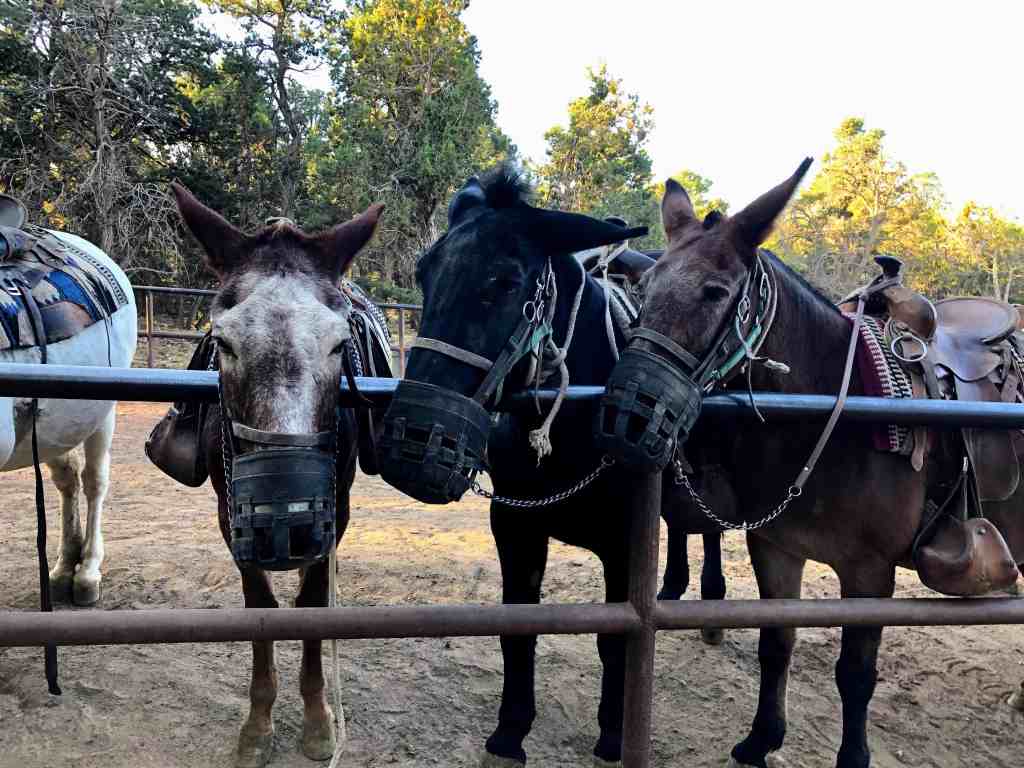
After a full day, enjoy dinner at one of several restaurants located in the park. Some of your best options are El Tovar Dining Room and Arizona Steakhouse. Reservations are highly recommended for any sit-down restaurant within the park.
Day 3: Travel to Zion
Traveling from the Grand Canyon to Zion National Park marks an exciting transition from the sprawling depths of the Grand Canyon to the towering heights of Zion’s sandstone cliffs. This journey spans approximately 230 miles and takes about 4 hours, offering scenic views and a stunning shift in landscapes.
You have several options for lodging in and around the park. The Zion Lodge sits within the park, providing immediate access to trails and panoramic views. For those seeking lodging with more amenities, there are plenty of great hotels in Springdale that combine comfort with convenience. Additionally, the Watchman Campground within the park is centrally located and a great place for an overnight stay.
Once you are settled in, you’ll have a few hours to explore. We recommend stopping at the Visitor Center and then enjoying one of two short nearby hikes: Par’us (relatively flat with great views of sandstone cliffs) or the Watchman Trail (an ascent to a stunning viewpoint of the Watchman rock formation).
For dinner, we recommend venturing into the adorable town of Springdale for your meal. Here you’ll find plenty of fantastic options like Oscar’s Cafe and the Spotted Dog Cafe.
Day 4: Explore Zion
Zion National Park captivates visitors with its dramatic landscape of steep red cliffs, narrow canyons, and lush valleys. The park’s accessibility allows for close-up views of its stunning geology and diverse ecosystems, making it a favorite for both seasoned adventurers and casual tourists, alike.
During your full day of exploration of Zion National Park, you have many options for activities. Depending on your desired level of exertion, you can mix and match the activities below:
- The 2 major hikes of Zion (full day, high exertion) – Angels Landing is a coveted hike with steep changes in elevation and narrow sections of the trail with steep drop-offs on either side. The Narrows is another popular hike, which takes place mostly wading through the Virgin River in one of the park’s famous slot canyons. Both of the hikes will take most of the day, so make sure to get started early.
- Shorter hikes (1 hour, medium exertion): The best hikes that can be completed in 1 hour or less are Emerald Pools and Weeping Rock. Opting for shorter hikes will leave you with plenty of time for other activities in this amazing park.
- Biking (half a day+, medium exertion): Pedal through the Pa’rus Trail for a leisurely ride with spectacular canyon views. Zion Canyon Road is also open to bicycle traffic and has a ton of great pull-outs where you can park your bike and explore.
- Canyoneering (half of day+, high exertion) – Zion is best known for this unique outdoor adventure activity. Canyoneering combines the crafts of hiking, climbing, rappelling, and swimming to navigate through the park’s narrow slot canyons. Visitors need a permit to partake in canyoneering and recommended routes are The Narrows Top Down and The Subway.
- Horseback Riding (2+ hours, medium exertion): Experience the park’s rugged terrain on horseback, we recommend checking out Canyon Trail Rides for available tours.
- Explore the Petroglyphs (1 hour): Discover ancient petroglyphs by hiking to petroglyph sites, offering a glimpse into the area’s early inhabitants.
- Visit the Zion Human History Museum (30 min): Located just one mile north of the main visitor center, this museum provides insights into the park’s rich cultural and natural history.
- Stargazing (1 hour, low exertion): Zion’s clear skies offer incredible opportunities for nighttime sky viewing. The patio next to the Human History Museum is a great place to set up your telescope or simply lay on the ground gazing upwards.

After a day full of adventure, enjoy a relaxing dinner at the Red Rock Grill in Zion Lodge, where the views are as delightful as the cuisine. Reservations are highly recommended especially during the summer months.
Day 5: Explore Bryce Canyon
Today starts with a drive from Zion National Park to Bryce Canyon National Park. This picturesque journey will take approximately 1.5 to 2 hours to complete, covering 85 miles.
Bryce Canyon is beloved for having the world’s highest concentration of hoodoos, which are irregular columns of rocks. The park’s smaller size compared to Zion and the Grand Canyon means fewer crowds and greater access to this otherworldly landscape.
For overnight accommodations, The Lodge at Bryce Canyon offers the convenience of being inside the park, with rustic charm and easy access to trails. Alternatively, Bryce Canyon City, located just outside the park’s gate offers a variety of hotels at a lower price point. The park also offers 2 campgrounds, centrally located near the Visitor’s Center.
Popular activities in Bryce Canyon include:
- Hike the park’s most popular trail: Queens Garden & Navajo Combination (2-3 hours, high exertion) – This trail descends into Bryce Canyon and offers a close-up view of Hoodoos, the park’s best-known rock formations.
- Explore the Bryce Canyon Amphitheater (30 min+, medium exertion) – This area of the park offers 4 main viewpoints and a variety of trails starting from each. You could easily spend the whole day here or simply enjoy the roadside viewpoints.
- Horseback Riding (3-4 hours, medium exertion): Guided rides take you through the canyon’s unique landscape. Check out Canyon Trail Rides for tour options.
- Drive the Southern Scenic Drive (1+ hours) – Located beyond the Bryce Canyon Amphitheater area, the Southern Scenic Drive meaders alongside the canyon for 18 miles, offering 9 viewpoints and 2 short day hikes.
- Stargazing (30 minutes+, low exertion): Known for its dark skies, Bryce Canyon is ideal for observing constellations and meteor showers. Any viewpoint along the main road will serve as a great spot to observe one of the darkest night skies in the country.
For those staying in the park, the Bryce Canyon Lodge Dining Room is a great place to unwind for dinner. If you are staying in Bryce Canyon City you’ll find several local options including Ruby’s Inn Buffet and Cowboy Ranch House.
Day 6: Explore Capitol Reef National Park
The drive from Bryce Canyon to Capitol Reef National Park spans about 120 miles, taking approximately 2.5 to 3 hours to complete. This unique park captivates visitors with its rugged beauty, dramatic cliffs, and the Waterpocket Fold—a geologic monocline stretching nearly 100 miles. The park’s relatively low visitor numbers create a calmer environment than the previous parks, allowing you to slow down and connect with nature.
For overnight lodging, consider staying at Capitol Reef Resort. Located near the park entrance, it offers a range of accommodations from luxury cabins to unique Conestoga wagons. Another option is Austin’s Chuckwagon Lodge in nearby Torrey, providing comfort and convenience with a rustic flair. If you are looking to camp inside the park, check out the Fruita Campground.
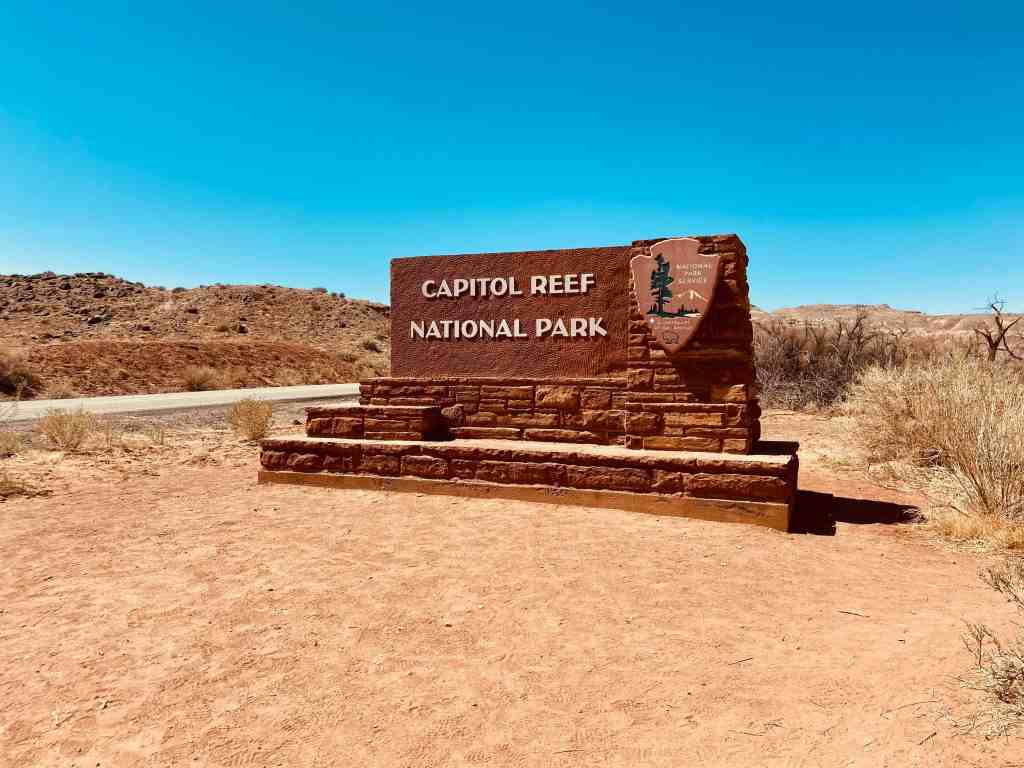
Choose your favorite activities at Capitol Reef from the list below:
- Hiking (30 minutes+, high exertion): The park’s most popular hikes are Freemont River and Hickman Bridge. These paths offer stunning views and encounters with the park’s natural arches and canyons.
- Canyoneering (half a day+, high exertion): This park offers 11 technical canyons and is often overlooked as an amazing place for canyoneering. Since you’ll only have half a day at the park, it’s recommended to check out the 3rd Wife Canyon. Please note that canyoneering requires a permit as well as specialized knowledge and gear.
- Scenic Drive (1-1.5 hours, low exertion): Starting at the Visitor Center, the Capitol Reef Scenic Drive provides breathtaking vistas and easy access to several trailheads.
- Petroglyph Viewing (30 minutes, low exertion): Discover ancient rock art created by the Fremont culture along the Capitol Gorge Trail. Located next to the road, this activity does not require hiking.
- Pick fruit from a historic orchard (1+ hours, medium exertion): If you are visiting between June and October, you may be able to pick heritage fruit from the historic orchards located near the main Visitor Center.
- Stargazing (30 minutes+, low exertion): Make sure to take some time to check out the night sky from this secluded park.
For dinner, Cafe Diablo in Torrey is highly recommended. Serving creative Southwestern cuisine, this is a perfect spot to unwind after a day of exploration.
Day 7: Travel to The Arches
The drive from Capitol Reef to The Arches National Park covers about 135 miles and takes approximately 2.5 to 3 hours. This route offers a captivating transition from Capitol Reef’s rugged terrain to the iconic red rock formations of The Arches.
The Arches National Park is renowned for its more than 2,000 natural stone arches, balanced rocks, and other unique geological formations. Visitors enjoy exploring its surreal, Mars-like landscape and photo opportunities, especially during sunrise and sunset.
For overnight lodging, Moab offers a variety of options. The SpringHill Suites by Marriott provides modern comforts and is conveniently located near the park entrance. Alternatively, for a more rustic experience, consider staying at Red Cliffs Lodge, which combines stunning views with Western-style hospitality. The park itself offers one campground, though you’ll find numerous private campgrounds just outside of the park.
Upon arrival, make sure to stop at the Visitor Center. After getting your bearings you’ll have time to drive the main road through the park, stopping at the major viewpoints. It is also recommended to do a short hike around sunset for an opportunity to photograph the intensified color of the park’s already red rock formations. The Windows Viewpoint is a great place for photography.
For dinner, head to one of many hearty diners in Moab. One of our favorites is the Broken Oar, offering hearty meals in a cozy, lodge-like setting.
Day 8: Explore The Arches
Welcome to Day 8, a full day at the beautiful Arches National Park. With over 2,000 natural stone arches, there is no shortage of areas to explore.
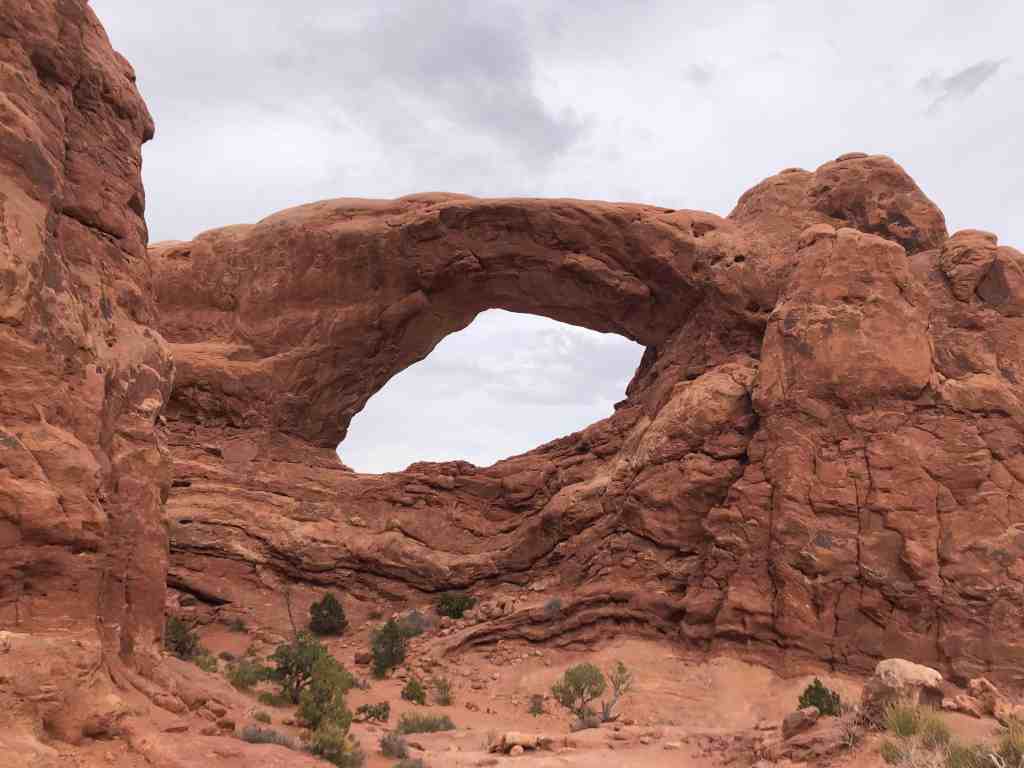
Mix and match your perfect day from the activities below:
- Hike the most popular trails (3-5 hours, high exertion): The most popular trail in the park is the Delicate Arch. This trail is moderately difficult and will likely take 2-3 hours to complete. The Devil’s Garden is the most strenuous trail in the park and will likely take 4-5 hours to complete.
- Explore the many arches (half a day+, medium exertion): Aside from the popular trails listed above this park offers numerous short, easy hikes to various arches and rock formations throughout the park. You could easily spend the whole day admiring and photographing the park’s many Arches.
- Practice photography (30 min+, low exertion): For any aspiring photographer, this is a great place to get beautiful shots. Sunrise and sunset are a particularly great time to capture stunning sunlight that highlights the park’s red landscape.
- Rock climbing (half a day+, high exertion): For experienced climbers, The Arches offers complex climbs and stunning views. Beginners can also appreciate this unique landscape and can rent gear and book a guide from outfitters in Moab.
- Canyoneering (half a day+, high exertion): This park offers 6 established canyoneering routes, which descend through stunning canyons offering a unique perspective on the park’s beautiful landscape.
- Stargazing (30 min+, low exertion): The Arches and surrounding area offer the perfect place for amazing stargazing.
For dinnertime, head back to Moab to enjoy a meal at a local diner. For tonight we recommend the Moab Brewery, which offers a wide selection of craft beers brewed on-site. Here you’ll also find a diverse menu that includes everything from pub favorites like burgers and wings to more substantial dishes like steaks and pasta
Day 9: Explore Canyonlands National Park
Today you’ll visit the final park on your epic journey. The short drive from Arches National Park to Canyonlands National Park is only a 30-mile journey, taking about 45 minutes to complete. Due to the short distance, it’s recommended that you stay in your current accommodations for this leg of the trip.
Canyonlands National Park is loved for its vast and diverse landscapes, split into four distinct districts: Island in the Sky, The Needles, The Maze, and The Rivers. The panoramic views, particularly from the Island in the Sky district, provide breathtaking vistas that stretch for miles.
Since you only have one day to explore it’s recommended to explore the Island in the Sky area. This is the closest district to Moab and is home to some of the most impressive hiking trails in the park.
Popular activities in Canyonlands include:
- Hiking (30 min to half a day, high exertion): Trails like the Mesa Arch and Grand View Point offer relatively easy walks with spectacular views. For a more challenging hike, try the Murphy Loop, which has a 1400-foot elevation change.
- Explore the main roads via car (1+ hours): The best way to explore this unique park is by car. You’ll find plenty of paved roads to explore with pullouts for scenic viewpoints and short hikes to stretch your legs
- Tour the unpaved roads (1+ hours): Canyonlands is known for its amazing off-roading adventures. White Rim Road is an unpaved path that meanders throughout the park. This route requires a 4-wheel drive vehicle with a high clearance.
- River Rafting (half a day): The Colorado and Green Rivers offer opportunities for both calm water and white-water rafting.
For dinner, head back to Moab and dine at one of many available restaurants. We recommend Desert Bistro, a highly-rated restaurant known for its creative cuisine and inviting atmosphere.
Day 10: Travel to Grand Junction and Fly Home
The drive from Moab to Grand Junction takes about 1.5 hours, covering 110 miles of scenic landscapes. Grand Junction is known for its vibrant arts scene, excellent wineries, and proximity to the stunning Colorado National Monument.
If your flight schedule allows for extra time to explore Grand Junction, we recommend checking out its charming downtown area. Here you’ll find art galleries, shops, and cafes. One other popular activity is wine tasting in the Redlands area.
Modification for a 7-day itinerary
If you have only seven days to explore, the Grand Canyon and Utah National Parks itinerary can easily be modified to focus on the region’s four most popular parks. This condensed itinerary ensures you experience the highlights while accommodating a shorter time frame. Here’s the modified itinerary:
- Day 1: Arrive in Flagstaff, Drive to the Grand Canyon
- Day 2: Explore the Grand Canyon
- Day 3: Travel to Zion
- Day 4: Explore Zion
- Day 5: Travel to Bryce Canyon and explore the park
- Day 6: Travel to The Arches and explore the park
- Day 7: Travel to Grand Junction and fly home
Conclusion on the Ultimate Grand Canyon and Utah National Parks Itinerary
Now that itinerary is set, it’s time to get ready for an unforgettable adventure through some of the most uncommon and breathtaking landscapes in the United States. This trip is optimized for a perfect blend of iconic sights and thrilling activities, ensuring a memorable journey through the heart of the Southwest.
From the vast expanse of the Grand Canyon to the towering cliffs of Zion, the hoodoos of Bryce, the unique rock formations of The Arches, and the rugged beauty of Canyonlands, each park provides its own special charm.
Whether you choose the full 10-day itinerary to explore all six parks or opt for the condensed 7-day version focusing on the most popular destinations, you will be rewarded with awe-inspiring vistas and unique experiences.
It’s time to pack your bags, prepare your camera, and get ready to pounce on an adventure that will leave you with memories to last a lifetime.
Read Next: American Roadtrip Holidays – Welcome to the ultimate guide

 Slow Traveling Cat