As a curious and adventurous cat, I’ve wandered through many a backyard and climbed countless trees, but nothing compares to the vast, prickly wonderland of Saguaro National Park. Picture this: towering cacti that stretch to the sky, landscapes dotted with vibrant wildflowers, and the most delightful array of critters to observe. If you’ve ever wondered when is the best time to visit this desert paradise, you’ve come to the right place. Allow me, your feline guide, to share what my human and I have learned from our time in the great Sonoran Desert. Whether you prefer the winter chill of the cooler months or the bold beauty of the wildflower season, this guide will help you find your purr-fect time to explore Saguaro National Park.
Why Visit Saguaro National Park
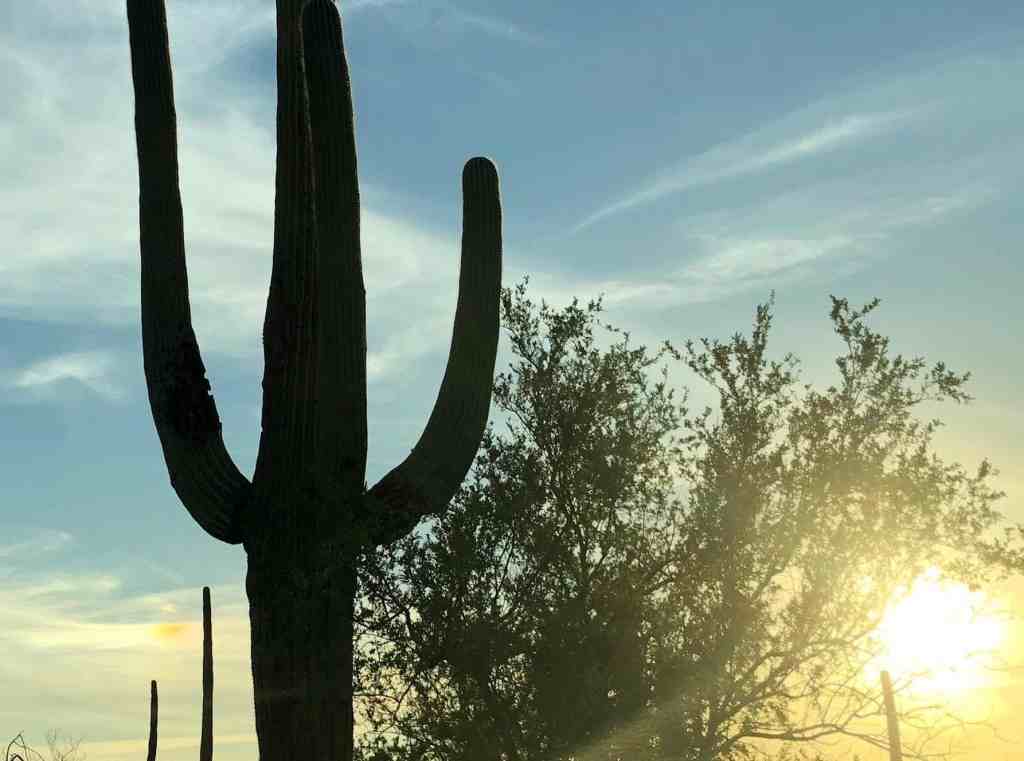
Saguaro National Park, situated near Tucson, Arizona, is a true desert oasis that captivates visitors with its unique beauty. The park is famous for its towering saguaro cacti, which can reach heights of up to 40 feet and live for over 150 years. These iconic cacti are synonymous with the American Southwest and provide a stunning backdrop against the desert landscape.
One unique thing about this park is that it’s divided into two separate sections, located on either side of the city of Tucson.
The western side of Saguaro National Park is home to the Tucson Mountain District, known for its rugged terrain and beautiful sunsets. Here, visitors can enjoy scenic drives, picnicking spots, and a variety of hiking trails that showcase the diverse flora and fauna of the Sonoran Desert.
On the eastern side lies the Rincon Mountain District, where the landscape transitions to a higher elevation and offers cooler temperatures. This district is a paradise for hikers and nature enthusiasts, with trails that lead to sweeping panoramic views of the surrounding mountains and valleys.
Saguaro National Park plays a crucial role in preserving the delicate balance of the Sonoran Desert ecosystem. In addition to the iconic saguaro cacti, the park is home to a rich variety of plant and animal species, including desert tortoises, gila monsters, javelinas, and more than 200 species of birds. Visitors have the opportunity to witness the intricate web of life that thrives in this arid environment.
In fact, one of the best things about Saguaro National Park is the chance to disconnect from the hustle and bustle of daily life and immerse oneself in the tranquility of the desert. Whether you prefer leisurely strolls among the cacti or challenging hikes up rocky slopes, the park offers something for everyone.
Best Seasons to Visit
Visiting Saguaro National Park is a breathtaking experience any time of the year, but the seasons can significantly impact your adventure. Each season offers a unique perspective of the park’s stunning desert landscape. Understanding the best times to visit for your travel goals is essential for making the most of your trip. Here’s a detailed look at what to expect during each season at Saguaro National Park:
Late Fall and Winter
Late fall, spanning from November to December, and winter, from January to March, is the best time of year to experience the beauty of Saguaro National Park. During these months, visitors can enjoy mild daytime temperatures, making outdoor activities such as hiking and sightseeing more pleasant. Daytime temperatures typically range from the mid-60s to the mid-70s Fahrenheit. This season is ideal for exploring the park’s diverse trails without the intense heat of summer in Southern Arizona.

One of the highlights of visiting during the winter months is the clear, crisp air that provides stunning visibility of the desert landscape. The iconic saguaro cactus, standing tall against the backdrop of the clear blue skies, creates picture-perfect scenes for photography enthusiasts. Additionally, minimal rainfall during this period ensures that the trails remain in good condition for hikers of all levels.
Wildlife sightings are also more common during these cooler months. Animals like mule deer, javelinas, and various bird species are more active and easier to spot. The lack of extreme heat allows for longer hikes and extended exploration without the risk of heat exhaustion, making it an excellent time for families and casual hikers.
Spring
As spring arrives between March and May, Saguaro National Park transforms into a colorful oasis with vibrant wildflower blooms dotting the desert floor. This season is characterized by moderate temperatures, generally ranging from the mid-70s to the mid-80s Fahrenheit.
Springtime is arguably the most visually stunning season in the park. The desert landscape comes alive with wildflowers, including golden poppies, lupines, and desert marigolds, creating a vibrant carpet of colors. This floral display attracts nature lovers and photographers from all over, eager to capture the ephemeral beauty of the desert in bloom.
However, the park can become crowded during this time as many tourists flock to witness this spectacular display. Early morning visits will avoid the crowds and provide a more serene experience. Additionally, the weather starts to warm up as spring progresses, so visitors should be prepared with light clothing, sun protection, and plenty of water.
Birdwatchers will also find spring to be an exciting time to visit, as many bird species migrate through the area or become more active during the breeding season. Trails such as the Signal Hill Trail and the Valley View Overlook Trail offer excellent opportunities for spotting these birds in their natural habitat.
Summer
The summer months, from June to September, bring intense heat and the potential for monsoons and flash floods. Daytime temperatures can soar well above 100 degrees Fahrenheit, making outdoor activities challenging and sometimes dangerous. Consequently, summer is not the most popular time to visit the park. However, this time does offer a unique perspective of the desert landscape for those willing to brave the conditions.

Despite the high temperatures, there are some advantages to visiting during the summer. The park is significantly less crowded, providing a sense of solitude and tranquility that is hard to find during the busier seasons. The intense heat also tests resilience of the desert flora and fauna, showcasing their incredible adaptations to survive in such harsh conditions.
Monsoon season, which typically occurs from mid-July to early September, can be both a blessing and a curse. The storms bring much-needed rain to the desert, resulting in dramatic displays of lightning across the desert sky. However, the rains can also cause flash floods, making some trails impassable and creating hazardous conditions. Visitors should stay informed about weather forecasts and avoid hiking during stormy conditions.
For those who decide to visit in the summer, it is crucial to take precautions against the heat. Carrying ample water, wearing sunscreen, and avoiding outdoor activities during the hottest parts of the day are essential for staying safe. Early morning or late evening hikes can be more manageable as temperatures are relatively cooler during these times.
What to do in Saguaro National Park
From breathtaking scenic drives to immersive visitor centers, Saguaro National Park offers a wealth of activities for every type of adventurer. Some of the most popular activities in the park include scenic drives, hiking, museums, and picnicking.
Scenic Drives – Taking a scenic drive in Saguaro National Park is a great way to see the park while staying insulated from the desert heat. The best-known scenic routes are Bajada Loop Drive (Saguaro West) and Cactus Forest Drive (Saguaro East). As you wind through the park, keep your camera ready to capture the beauty of the Sonoran Desert.
Popular Hiking Trails – For outdoor enthusiasts, Saguaro National Park boasts a variety of hiking trails that cater to different skill levels. The Valley View Overlook Trail provides a relatively easy hike with rewarding panoramic views of the surrounding landscape. If you’re up for a bit more challenge, tackle the Signal Hill Trail, known for its ancient petroglyphs and sweeping vistas. For seasoned hikers seeking a longer trek, the Hugh Norris Trail offers a more strenuous but incredibly scenic experience. No matter what time of year you visit, it’s always a good idea to get an early start on the trails to avoid the mid-day sun.
Visitor Centers and Museums – Immerse yourself in the rich natural and cultural history of the region by visiting the Red Hills Visitor Center on the western side of the park. Here, you can learn about the diverse ecosystems of the Sonoran Desert, the significance of saguaro cacti, and the conservation efforts in the park. On the east side of the park, the Rincon Mountain Visitor Center provides a small bookstore and gift shop and has knowledgeable staff about the Rincon Mountain District.
Additionally, don’t miss the opportunity to explore the Arizona-Sonora Desert Museum. Located just outside of Saguaro West, this world-renowned attraction combines a zoo, botanical garden, art gallery, and natural history museum. This is a fantastic place to deepen your understanding of the desert environment and encounter native wildlife up close.
Planning Your Visit
Checking Park Information – When preparing to visit Saguaro National Park, make sure to stay informed about current conditions. The best way to receive up-to-date information is to head to the National Park Service website to check for current entrance fees, trail closures, and safety advisories. By keeping yourself updated, you can ensure a smooth and enjoyable trip.

Booking Your Accommodations – For those looking to spend the night under the stars amid the desert beauty, reservations are key. Secure your spot at the Gilbert Ray Campground or nearby RV parks well ahead of time to guarantee a place to rest after a day of exploration. If you are looking for a roof over your head, check out the variety of hotels available throughout the city of Tucson.
Packing Essential Supplies – Spending a day in the desert requires some special considerations to ensure and safe and enjoyable time. Make sure to pack plenty of water to stay hydrated under the hot sun, snacks to keep your energy levels up, and, protection against the sun like sunscreen and a wide-brimmed hat.
Trail Safety and Regulations – While visiting the park, make sure to stay on designated trails and adhere to all park regulations. By following these guidelines, you not only protect yourself but also help preserve the delicate ecosystem of the park. Remember that venturing off-trail can disturb wildlife habitats and disrupt the natural balance of the environment.
Conclusion on the Best Time to Visit Saguaro National Park
When it comes to choosing the best time to visit Saguaro National Park, it depends on what kind of experience you’re seeking. Each season brings its unique charm to this desert wonderland. Whether you prefer the mild, clear days of late fall and winter, the colorful wildflower displays of spring, or the solitude and dramatic monsoons of summer, Saguaro National Park offers something special year-round. By understanding the seasonal variations and planning accordingly, you can ensure a memorable and enjoyable visit. So, pack your bags, prepare for an adventure, and let the majestic saguaros guide you through one of the most iconic landscapes in the American Southwest.

 Slow Traveling Cat
1 thought on “When is Best Time to Visit Saguaro National Park?”